A BRIGHTER FUTURE HEALTHCARE SERVICES, INC.

Your Body Was Designed to Heal.
Stem Cell Therapy Helps It Remember How.
The LAST Marketing Software You’ll Ever Need
Advanced regenerative medicine at A Brighter Future Healthcare Services helps activate your body’s natural repair systems—supporting mobility, recovery, inflammation balance, and long-term vitality.
Why Pain, Stiffness, and Slow Recovery Increase with Age

Over time, the human body experiences degeneration—the gradual breakdown of tissue due to inflammation, injury, stress, and aging. While your body is constantly repairing itself, that repair system slows as the availability and effectiveness of stem cells decline.
Research shows that stem cells—the body’s internal repair cells—decrease significantly as we age, contributing to longer recovery times, increased inflammation, and chronic discomfort
The issue isn’t that your body can’t heal.
The issue is that regeneration is being outpaced by degeneration.
Stem Cells, Explained Simply
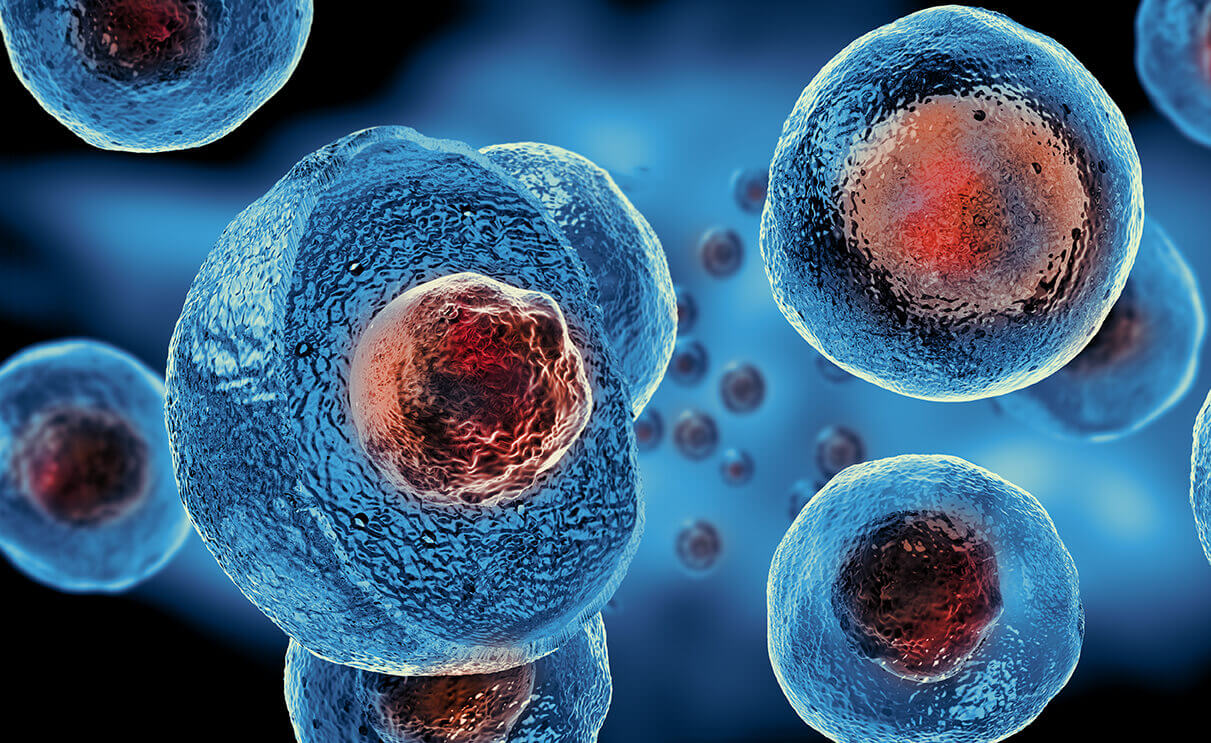
Stem cells are undifferentiated “foundation cells” that can support the repair, rebuilding, and regeneration of tissue throughout the body. They respond to signals from damaged or inflamed areas and assist in restoring balance at the cellular level.
In regenerative medicine, stem cells are not used to mask symptoms—they support the body’s own biological repair processes
In short:
Stem cells act as your body’s internal repair system.
DOWNLOAD OUR INFORMATIONAL
EBOOK
Not All Stem Cell Therapies Are the Same!
An Educational Comparison:
Autologous (Your Own Cells)

Requires invasive procedures
Cell quality depends on age and health
Variable potency
Embryonic / Amniotic Sources

Highly regulated and controversial
Limited availability in the U.S.
Umbilical Cord–Derived Stem Cells (ABF Focus)
Immune-privileged (no rejection risk)
Consistent, high cell counts
Potent anti-inflammatory and regenerative signaling
No surgical harvesting required
Umbilical cord–derived stem cells are widely regarded as one of the most robust and consistent regenerative options available today!
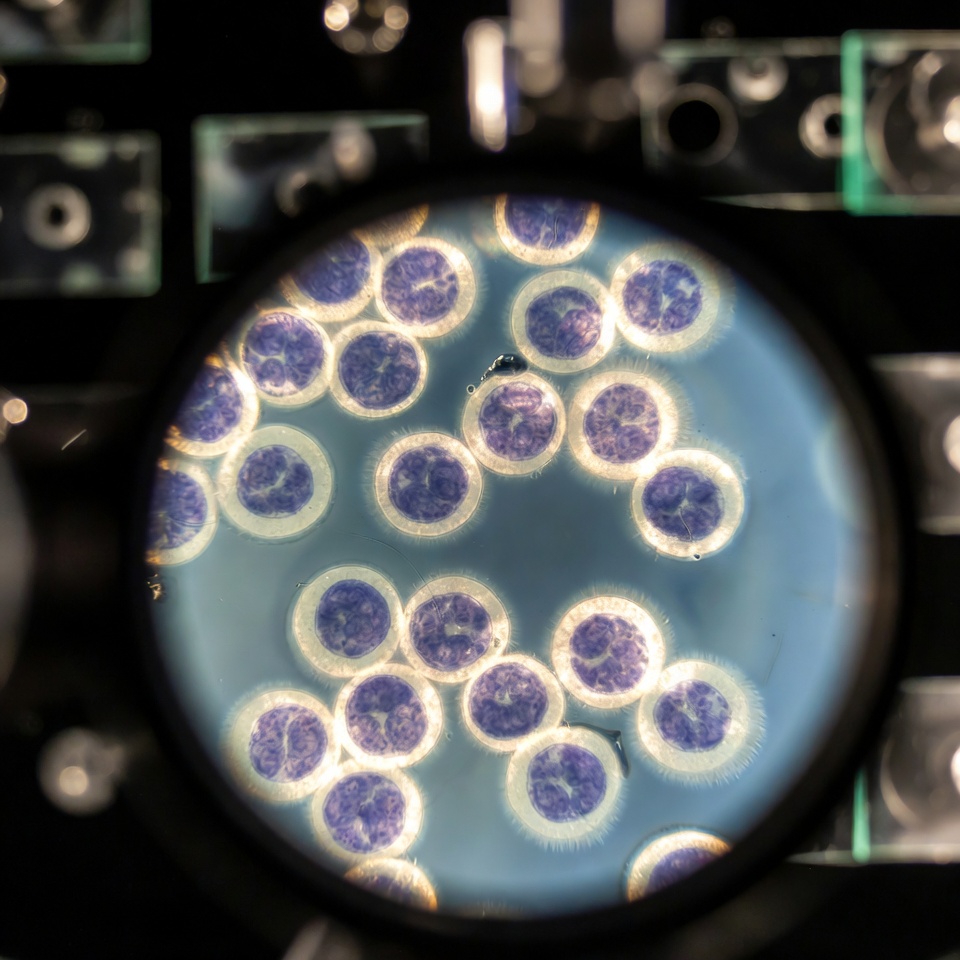
What Patients Commonly Seek Stem Cell Therapy For
Stem cell therapy is being studied and utilized in regenerative care settings to support:

Chronic joint, knee, hip, and shoulder discomfort
Arthritis and osteoarthritis
Back pain, disc issues, and spinal degeneration
Tendon, ligament, and soft-tissue injuries
Inflammation-driven mobility limitations
Recovery optimization and healthy aging
Thousands of ongoing studies worldwide continue to explore regenerative medicine applications across musculoskeletal, neurological, and inflammatory conditions

Regenerative Care, Guided by Medical Professionals
At A Brighter Future Healthcare Services, stem cell therapy is:

Physician-guided and patient-specific
Integrated with whole-body wellness planning
Offered alongside primary care, IV hydration, recovery therapies, and mental wellness support
Delivered in a professional, compliant clinical environment
We don’t chase trends—we educate, evaluate, and guide patients through informed regenerative decisions.
Stem Cell Therapy – Frequently Asked Questions
Patient Education | A Brighter Future Healthcare Services
What is stem cell therapy?
Stem cell therapy is a regenerative medicine approach designed to support the body’s natural repair and healing processes. Stem cells are often referred to as the body’s “repair cells” because they help regulate inflammation and assist in tissue recovery through cellular communication and signaling.
Stem cell therapy does not replace organs or force healing—it supports the body’s existing regenerative systems.
How does stem cell therapy work?
After administration, stem cells circulate through the body. Areas of injury or inflammation send out biological signals, and stem cells respond to those signals by supporting anti-inflammatory and regenerative processes.
This mechanism is often referred to as paracrine signaling, meaning the cells help coordinate healing rather than directly becoming new tissue.
What types of stem cells does ABF use?
A Brighter Future Healthcare Services utilizes umbilical cord–derived stem cells sourced from FDA-registered laboratories.
These cells are:
Immune-privileged (low rejection risk)
Non-embryonic
Consistent in quality and potency
Collected without harm to mother or child
Are umbilical cord stem cells ethical?
Yes. Umbilical cord stem cells are collected after healthy, full-term births with informed consent. The umbilical cord is typically discarded after delivery, and no embryos are harmed or destroyed.
Is stem cell therapy FDA approved?
Stem cell therapies are not FDA-approved drugs. However:
The laboratories are FDA-registered
All processing follows federal safety and sterility guidelines
Stem cell therapy is considered a natural biologic therapy
Your provider will explain regulatory status in detail during your consultation.
Is stem cell therapy safe?
Stem cell therapy has been widely used in regenerative medicine settings with a strong safety profile. Most patients experience minimal discomfort. Possible temporary effects may include:
Mild soreness at the injection site
Temporary fatigue
Mild flu-like symptoms in a small percentage of patients
Serious adverse events are rare when therapy is administered properly.
What conditions do patients seek stem cell therapy for?
Patients explore stem cell therapy for a wide range of wellness and recovery goals, including:
Joint, knee, hip, and shoulder discomfort
Back and spine issues
Tendon and ligament strain
Arthritis and osteoarthritis
Inflammation-related mobility limitations
Athletic recovery and performance longevity
Healthy aging and vitality support
Stem cell therapy is not positioned as a cure for disease.
How long does the procedure take?
The administration itself typically takes only a few minutes. Including preparation and observation, most visits are completed within a short appointment window.
How soon will I see results?
Patient experiences vary:
Anti-inflammatory effects may be noticed within days or weeks
Regenerative changes often develop over 4–6 weeks
Improvements may continue for several months
Healing and regeneration are gradual biological processes.
How many treatments will I need?
Some patients benefit from a single treatment, while others choose additional therapies based on:
Severity of degeneration
Activity level
Age and health goals
Longevity and wellness planning
This is discussed during your personalized consultation.
Is stem cell therapy painful?
Most patients report minimal discomfort. The procedure is non-surgical and does not require general anesthesia.
Can stem cell therapy replace surgery?
Stem cell therapy is not a guaranteed replacement for surgery. However, many patients explore regenerative therapy as a non-surgical option before considering invasive procedures.
Your provider will help determine whether this approach is appropriate for your situation.
Who is a good candidate for stem cell therapy?
Individuals who may consider a consultation include those who:
Want to support mobility and joint health
Experience chronic inflammation or slow recovery
Are active athletes or physically demanding professionals
Are postpartum mothers seeking recovery support
Are focused on healthy aging and longevity
Final candidacy is determined during a medical evaluation.
Are results guaranteed?
No. As with any medical or wellness intervention, individual results vary. Stem cell therapy supports the body’s natural processes, and outcomes depend on many personal factors.
Can stem cell therapy be combined with other treatments?
Yes. At ABF, stem cell therapy is often integrated with:
IV hydration and nutrient therapy
Emsella®, Emsculpt Neo®, and Emtone®
Physical recovery and wellness programs
Mental health and stress-management services
Your Best Years Don’t Have to Be Behind You
HIPAA-Compliant
Physician-Guided Title Here
Patient-
Focused
Education-First Care
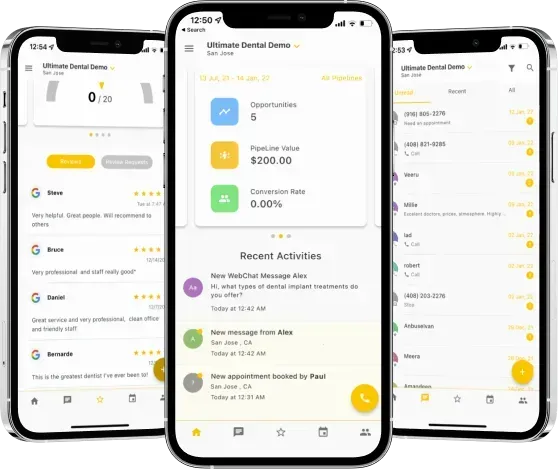
Make Sales On The Go With Our Mobile App
Get real-time notifications straight to your phone
Chat with your clients & leads right from the app
Download Here: